Riverside County, California
Garage door repair in Temescal Valley, CA
Garage door repair and replacement in Temescal Valley, CA begins with the part that quit, whether a spring, a cable, the track or the opener. Half the homes in Temescal Valley were built before 2003 (Census ACS 2019–2023). Temescal Valley averages 9 days a year with a low at or below 32°F (NOAA 1991–2020 normals).
Call (866) 332-1030 to schedule a visitCalls may be recorded. Describing the problem commits you to nothing.
What stopped working?
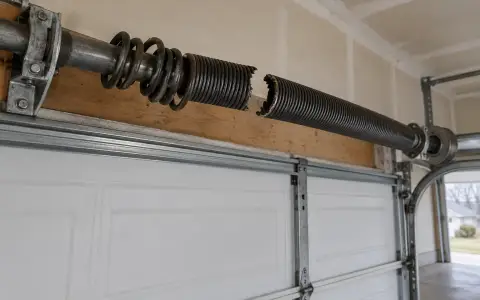 Broken spring
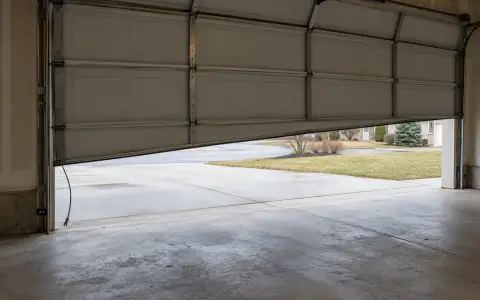 Snapped cable
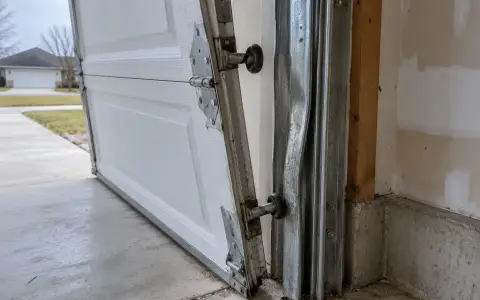 Off track
 Won't open
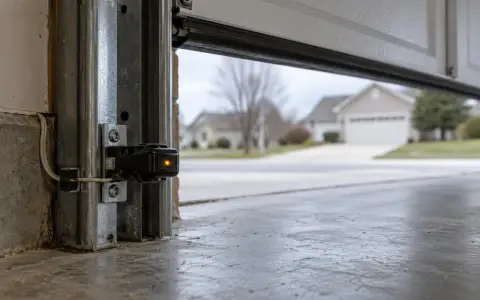 Won't close
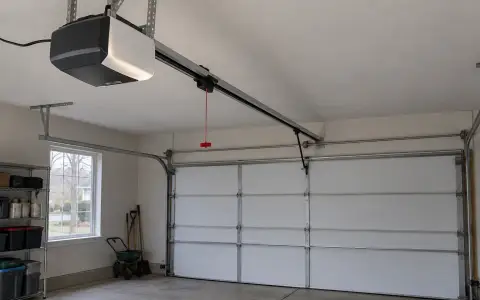 Opener runs, door doesn't
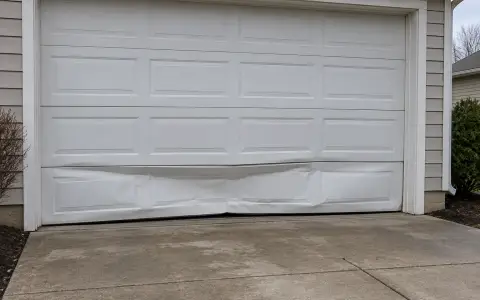 Car hit the door
What is different about Temescal Valley
These come from public data about Temescal Valley and from the rules that apply here. Each one names its source.
Built after the safety rule
The median home in Temescal Valley dates from 2003, after the federal opener standard of 1993, so openers original to these houses were built to it. A new opener can still drift out of adjustment: the monthly reverse test in its manual is how you find out.
Source: U.S. Census Bureau, American Community Survey 2019–2023 5-year estimates; CPSC Publication 523, non-reversing automatic garage door openers
Who has a garage door
Of the 9,013 households in Temescal Valley, almost all live in detached houses, which is where a private garage door and opener usually are.
Source: U.S. Census Bureau, American Community Survey 2019–2023 5-year estimates
Mild winters
The nights drop to 32°F or below on 9 days a year in Temescal Valley, on average, at the nearest NOAA climate normals station, about 9 miles away. In a freeze, the rubber seal along the bottom of a door can stick to the floor; free it before blaming the opener.
Who licenses the work in California
California has a license class for this work: D-28, Doors, Gates and Activating Devices. The CSLB describes it as a contractor who "installs, modifies or repairs all types of residential, commercial or industrial doors including overhead or sliding door assemblies." Under Business and Professions Code § 7048, a state license is needed for a job of $1,000 or more in labor and materials, or for any job that requires a building permit, and the small-job exemption does not cover anyone who advertises as a contractor or has employees.
Look up a license with the Contractors State License Board (CSLB)
California requires anyone hired to service or repair a residential opener to check, when the work is done, whether it reverses on contact with a rigid obstacle two inches high, and to affix a red certificate to an opener that fails (Health & Safety Code § 19890(e)). Since July 1, 2019, openers installed in the state must have a battery backup, and a replacement door may not be connected to an existing opener without one (§ 19892).
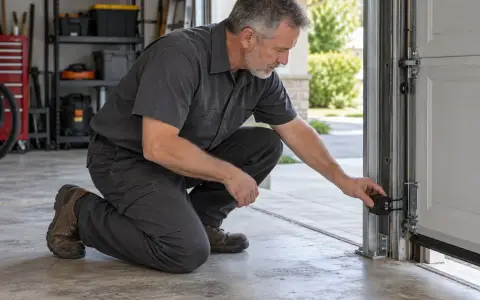
What you will be asked
- What stopped working, in one sentence: a bang and then the door would not lift, a crooked door, a door that goes back up.
- The door: sectional panels or one solid piece, one car wide or two, and roughly how old.
- The springs: a coil on a bar above the door, or springs along the tracks, and whether one shows a gap.
Calls from Temescal Valley about repairing, replacing or installing a garage door or opener are taken for homes and commercial buildings, owners and renters alike. Parts sales, box-truck and trailer doors, and phone quotes without a visit are not; a price comes after the door has been seen.
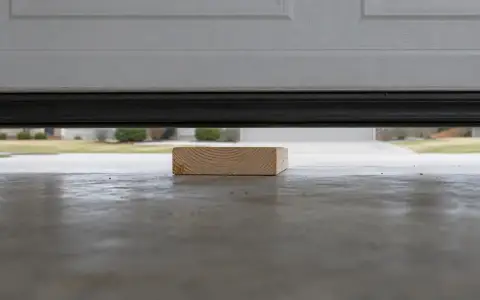 Reverse test
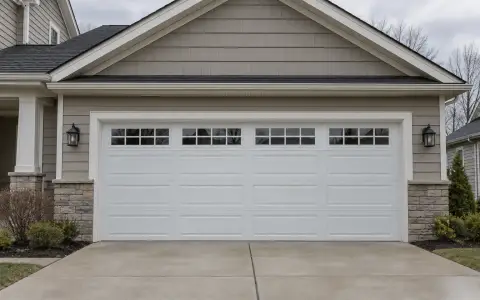 Door replacement
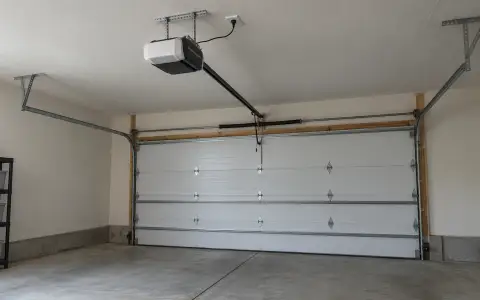 Opener replacement
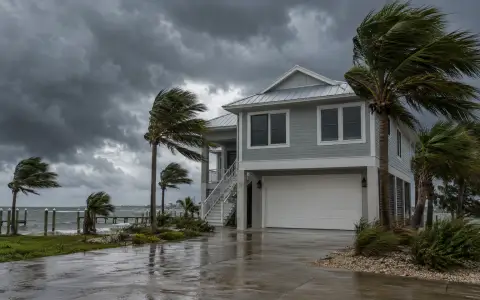 Wind-rated doors
 Before you call
Garage doors in Temescal Valley: questions
How old are the garage doors and openers in Temescal Valley?
Half the homes in Temescal Valley were built in 2003 or later, so most openers here were made after the 1993 sensor rule. Springs are the part that wears out first: a standard torsion spring is rated for about 10,000 open-and-close cycles.
Does cold weather affect garage doors in Temescal Valley?
Not much: Temescal Valley has only 9 days a year at or below 32°F on average, and calls here are about springs, cables and openers far more than frozen seals.